Source Waterproof Liquid Eyeliner for Makeup, Events, and Retail
Explore 30 options for waterproof liquid eyeliner from Chinese manufacturers. Compare specifications including GMPC and ISO certifications, packaging types, and OEM services to find suitable suppliers for cosmetics, events, and retail distribution.
Key considerations
Products List






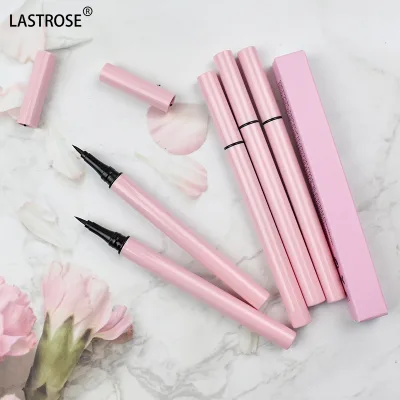
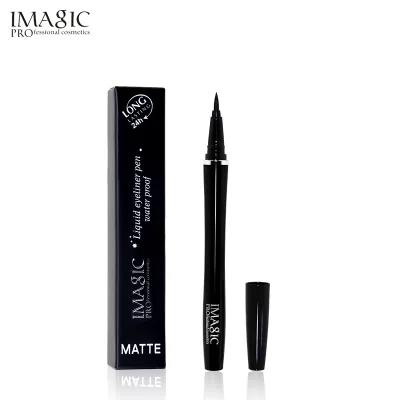
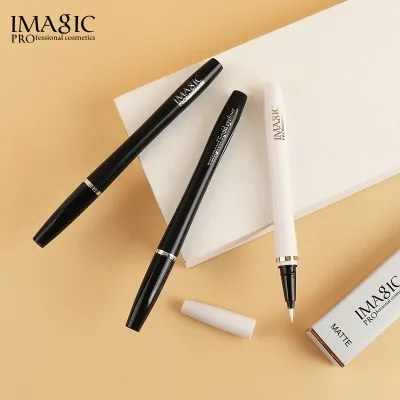
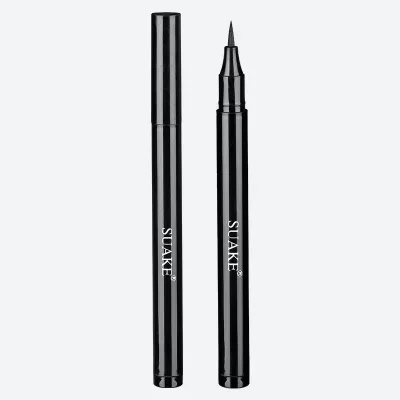


Comprehensive Sourcing Guide
Waterproof Liquid Eyeliner Sourcing Guide
Procuring waterproof liquid eyeliner requires a strategic approach that balances aesthetic performance with rigorous safety compliance, particularly when sourcing from major manufacturing hubs like Zhejiang, China. Buyers must navigate a market where product formulations vary significantly, ranging from chemical-based solutions to those incorporating mineral or herbal ingredients, each offering distinct application characteristics. The primary objective is to secure a supply chain capable of delivering consistent, long-lasting eye makeup that meets the specific functional demands of the target demographic, which in this sector is predominantly women seeking high-performance eye definition.
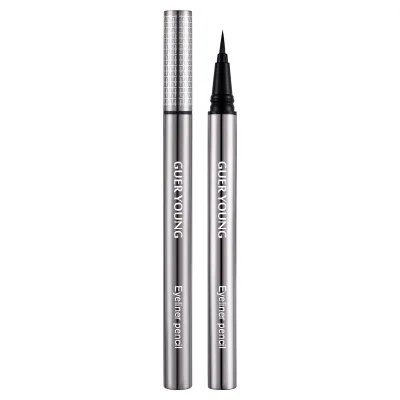
The sourcing process begins with a clear definition of the product form and intended use, as the observed market data indicates a strong prevalence of liquid formulations designed specifically for the eye area. While some listings describe the product as an eyeliner pencil, the core keyword focuses on liquid variants, necessitating a verification of the actual physical state of the product to ensure it aligns with the "liquid" attribute observed in the majority of supplier catalogs. This distinction is critical for packaging requirements, as liquid products demand different containment strategies compared to solid pencils to prevent leakage and maintain product integrity during transit.
Product Scope and Observed Listing Signals
When evaluating product listings, buyers should look for specific signals that confirm the item is a true liquid eyeliner rather than a solid pencil or gel alternative. The observed data highlights a clear distinction in product types, with many suppliers explicitly labeling their offerings as "Liquid eyeliner" or "liquid eyeliner pencil," while others simply list "Eyeliner" or "Eyeliner Pencil." It is essential to verify the "Form" attribute in the product specifications to ensure the item is indeed a liquid, as this directly impacts the applicator type, viscosity, and drying time, which are key performance indicators for end-users.
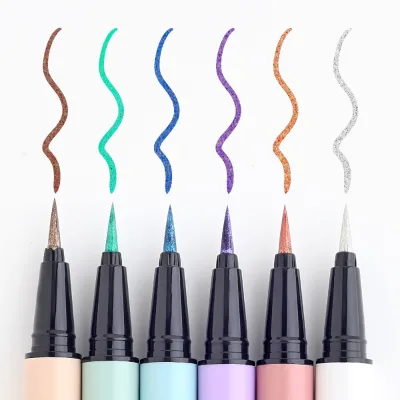
Color variety and customization options are significant factors in the current market landscape, with suppliers offering both single-color and multi-colored options to cater to diverse consumer preferences. The observed listings indicate that color codes such as 01 through 06 are common, and many manufacturers provide OEM services that allow for custom branding and color formulation. Buyers should assess whether the supplier can support the specific color palette required for their brand, noting that some products are described as "Single-Color" while others offer a broader range, and ensure that the "Customization" attribute is explicitly confirmed for any bespoke requirements.
Technical Specifications to Verify
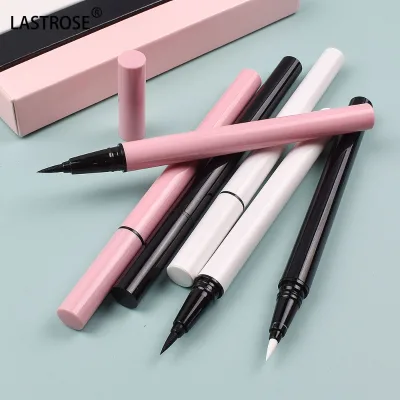
Technical verification must begin with the physical volume and packaging standards, as the observed data reveals a range of standard sizes including 5ml and 6ml capacities. Buyers need to confirm the exact volume per unit, as discrepancies between the stated standard (e.g., "5ml" or "6 Ml") and the actual product delivered can lead to regulatory non-compliance and customer dissatisfaction. Additionally, the packaging format varies from simple cartons to complex inner boxes, Cdu, trays, and blister cards, so the procurement team must specify the required packaging level to ensure the product arrives in a condition suitable for retail display and consumer use.
The physical dimensions and weight of the single package are critical for logistics planning and cost estimation, with observed specifications ranging from 10x3x10 cm to 14x2x1 cm, and single gross weights between 0.024kg and 0.050kg. These metrics directly influence shipping costs and storage requirements, making it imperative to request precise package size and weight data for the specific model number, such as EL026 or EL021, before finalizing an order. Furthermore, the "Feature2" attribute, which includes claims like "Noblooming," should be verified through sample testing to ensure the product delivers on its promise of long-lasting wear without smudging or running.
Compliance and Safety Documentation
Safety and regulatory compliance are non-negotiable in the cosmetics industry, and buyers must verify that suppliers possess the necessary certifications to operate legally in their target markets. The observed product data frequently lists certifications such as GMPC, ISO, FDA, GMP, and MSDS, which indicate a baseline level of quality management and safety adherence. However, the presence of these certifications on a listing does not guarantee that every specific batch or model number is covered, so procurement teams must request valid, up-to-date certificates for the specific products being ordered to ensure they meet the regulatory requirements of the destination country.
Specific attention should be paid to the ISO 22716 standard, which is referenced in the background data as a trusted industry benchmark for Good Manufacturing Practices in cosmetics. While the observed listings mention ISO certifications, buyers should explicitly confirm if the supplier's facility is certified to ISO 22716:2007(E), as this standard provides a comprehensive framework for the production, control, storage, and shipment of cosmetic products. Additionally, the presence of REACH certification is crucial for European markets, and the MSDS (Material Safety Data Sheet) must be reviewed to understand the chemical composition and handling requirements of the ingredients used in the formulation.
Cost Drivers and Commercial Terms
The cost structure for waterproof liquid eyeliner is influenced by a combination of factors including the complexity of the formulation, the volume of the order, and the level of customization required. The observed MOQ range spans from 10 units to 12,000 units, indicating that suppliers are flexible but may apply different pricing tiers based on the order quantity. Buyers should anticipate that smaller orders will carry a higher unit cost, while larger volumes may unlock more competitive pricing, but the final cost will also depend on the specific model number and the complexity of the packaging chosen.
Commercial terms must be clearly defined to avoid misunderstandings regarding payment, lead times, and shipping responsibilities. While specific lead times are not provided in the observed data, the wide range of MOQs suggests that production schedules may vary significantly based on order size and current factory capacity. Buyers should negotiate clear terms regarding the "Selling Units" and ensure that the price includes all necessary packaging components, such as the carton, inner box, or blister card, as these can add substantial cost to the final product. It is also advisable to confirm whether the quoted price includes the cost of the logo printing and other OEM services, as these are often charged separately.
Supplier Qualification and Quality Control
Supplier qualification should extend beyond the basic certifications to include an assessment of their internal quality control processes and production capabilities. The observed data mentions a "Professional QC Team" as a key attribute, which suggests that the supplier has dedicated resources for monitoring product quality, but buyers should request details on their specific QC protocols, including how they test for waterproof performance and color consistency. It is essential to verify that the supplier has a robust system for managing the "Main Ingredient" variations, whether they are chemical, mineral, or herbal, to ensure that the final product remains consistent across different batches.
Quality control also involves verifying the supplier's ability to maintain the "Waterproof" and "Long-lasting" claims made in the product descriptions. Buyers should request sample testing results or conduct their own trials to confirm that the eyeliner does not bloom or smudge under typical conditions, as these are critical performance metrics for consumer satisfaction. Additionally, the supplier's ability to handle the "Customization" requests, such as specific color codes or packaging designs, should be evaluated to ensure they have the technical capacity to meet the buyer's unique requirements without compromising on quality or delivery timelines.
Long-Term Procurement Checks
Establishing a long-term procurement relationship requires regular audits and performance reviews to ensure that the supplier continues to meet quality and compliance standards over time. Buyers should implement a schedule for periodic re-verification of certifications, such as GMPC, FDA, and ISO, to ensure they remain valid and that the supplier has not experienced any regulatory issues that could impact the supply chain. It is also important to monitor the consistency of the product attributes, such as the "Color" and "Volume," to ensure that the supplier maintains the same quality standards across all future orders.
Continuous improvement should be a key component of the long-term strategy, with buyers actively seeking feedback from end-users to identify any areas where the product performance can be enhanced. This may involve working with the supplier to refine the formulation, improve the packaging, or introduce new color options based on market trends. By maintaining open communication and a collaborative approach, buyers can ensure that their supply of waterproof liquid eyeliner remains competitive and aligned with the evolving needs of the market, securing a reliable source for their business operations.
FAQs
What certifications do these waterproof liquid eyeliners hold?
These products hold GMPC, ISO, MSDS, FDA, GMP, and REACH certifications. This ensures compliance with international safety and quality standards for cosmetic manufacturing. Buyers can verify these credentials to ensure regulatory adherence for their target markets. The specific certification mix may vary slightly by model, but all listed items meet rigorous industry benchmarks for safety and production quality.
Can I customize the packaging for bulk orders?
Yes, customization is available for bulk orders. Suppliers offer various packaging options including cartons, inner boxes, CDUs, trays, blister cards, and more. This flexibility allows buyers to tailor the presentation to their brand identity. OEM services are also accepted, enabling custom branding and labeling. Buyers should confirm specific packaging requirements with the supplier during the sourcing process.
What is the typical MOQ for these eyeliner products?
The observed MOQ range is 10 to 12,000 units. This wide range accommodates both small trial orders and large-scale industrial purchases. Buyers can negotiate specific quantities based on their inventory needs and budget. The flexibility in MOQ allows businesses of various sizes to source these waterproof liquid eyeliners without excessive initial commitment or inventory risk.
Where are these waterproof liquid eyeliners manufactured?
These products are manufactured in Zhejiang, China, and other regions within China. This location is a major hub for cosmetic production, offering efficient supply chains and competitive pricing. Buyers sourcing from this region benefit from established manufacturing infrastructure. The origin is clearly stated for transparency, allowing buyers to assess logistics and shipping requirements for their specific destination markets.
What volume options are available for these eyeliners?
Standard volumes include 5ml and 6ml options. These sizes are common for liquid eyeliners and eyeliner pencils, offering sufficient product for regular use. The 5ml standard is noted for specific models like EL026, while 6ml is used for others like EL025. Buyers can select the volume that best fits their product positioning and consumer expectations for value and longevity.